2025年6月24日星期二

Different Types of Mounted Concrete Pumps

In modern construction, the delivery of concrete is a key link. The emergence of the mounted concrete pump has greatly improved the efficiency and flexibility of concrete delivery.


Truck mounted concrete boom pump

It is a concrete conveying equipment that integrates the pumping system and the boom on the chassis of the car. Its biggest feature is that it has an extendable and foldable boom system, which can flexibly pump concrete within a certain range.


The length of the boom determines its working range. From a shorter dozen meters to the world's longest over 100 meters today, booms of different lengths are suitable for construction projects of various sizes. In urban construction, pump trucks with medium and short booms can easily cope with the concrete pouring of general residential and commercial buildings; while in large-scale infrastructure construction, such as bridges, large venues and other projects, long-boom pump trucks can show their prowess and accurately transport concrete to the designated location.


However, due to its complex structure and high technical content, the purchase cost of the boom pump is relatively high, and the space requirements for the construction site are also relatively large, requiring a relatively open and flat site to unfold the boom for operation.


Vehicle mounted concrete line pump

The vehicle-mounted pump is a device that installs the concrete pumping mechanism on the chassis of the car. It combines the driving function with the concrete pumping function. The vehicle-mounted pump does not have a long arm, but it has unique advantages in mobility and pumping performance.


The vehicle-mounted pump has strong mobility. It can rely on its own chassis to travel quickly on the road and can quickly transfer from one construction site to another. It is particularly suitable for frequent transfer operations between multiple construction sites.


In some small construction projects or scattered rural housing projects, the vehicle-mounted pump can quickly reach the construction site, saving transportation and installation time. The pumping capacity should not be underestimated. It can generate a higher pumping pressure to transport concrete to a longer distance and higher height.


Some high-performance vehicle-mounted pumps can pump up to more than 200 meters and the horizontal pumping distance can reach about 1,000 meters, which can meet the needs of most construction projects.


It transports concrete to the pouring location by connecting the pump pipe. During construction, it is necessary to plan the laying route of the pump pipe in advance to ensure that the concrete can be transported smoothly.


Compared with vehicle-mounted boom pumps, vehicle-mounted pumps have lower purchase costs and are relatively simple to maintain. They are a good choice for construction units with limited budgets but that need to have certain mobility and pumping capabilities.


Concrete trailer pump for sale

The trailer mounted concrete pump is a more traditional concrete delivery equipment. The trailer pump needs to be towed by a tractor or other vehicles, and after arriving at the construction site, it needs to be installed and debugged before it can be put into use. Although it is not as mobile as the vehicle-mounted pump and vehicle-mounted boom pump, the trailer pump also has its own advantages.


Its structure is relatively simple, mainly composed of pumping system, power system, control system, etc., without complex arm structure and walking chassis, so its manufacturing cost is low and the price is relatively affordable. For some projects with limited funds, small construction scale and low requirements for equipment mobility, trailer pumps are an economical choice.


Since it needs to be towed by a tractor and the installation and disassembly process is relatively cumbersome, the trailer pump takes a lot of time and manpower when transferring. In addition, it has certain requirements for the flatness and solidity of the construction site, and needs to be installed and operated on a relatively stable ground, otherwise it may affect the pumping effect or even cause equipment damage.


How to choose a suitable truck-mounted concrete pump

In actual construction, it is crucial to choose a suitable truck-mounted concrete pump. First of all, the scale and characteristics of the construction project should be considered. If it is a small construction project, the construction site is narrow and the requirements for pumping height and distance are not high, the trailer pump may be an economical and practical choice; if the project involves frequent transfers between multiple construction sites and has certain requirements for pumping performance, the mobility and pumping capacity of the truck-mounted pump can well meet the needs; and for large-scale construction projects, especially those that require concrete spreading over a large range, such as large bridges and high-rise buildings, the efficient and flexible spreading function of the truck-mounted boom pump is more suitable.


Cost factors should also be considered, including the purchase cost, use cost and maintenance cost of the equipment. Haomei Machinery is one of the main concrete pump suppliers. Welcome to contact us directly to get the best quotation of different concrete pumps.


Original source: https://www.concrete-pump-cn.com/a/different-types-of-mounted-concrete-pumps.html

2025年6月23日星期一

Which is Better: Self Loading Mixer Truck or Concrete Mixer Truck

 In the field of construction, the mixing and transportation efficiency and quality of concrete directly affect the progress and quality of the project. In recent years, the self loading concrete mixer truck has gradually become the "new favorite" of many construction projects. So, what is its concrete mixing efficiency and quality? Compared with concrete mixer trucks, is it better?

The mixing efficiency of self-loading concrete mixer trucks is excellent. Traditional mixing equipment needs to transport raw materials separately to the mixing station, and then the mixing station mixes them uniformly, and then transports them to the construction site by concrete mixer truck. This process takes a long time.

self loading concrete mixer truck.jpg

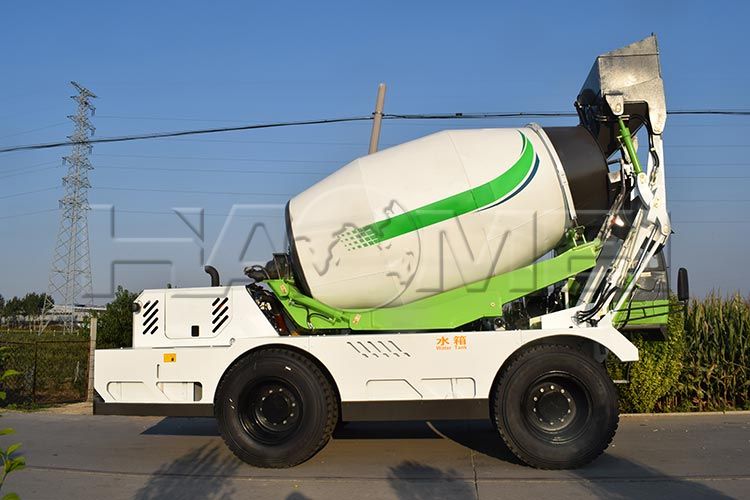
The self loading concrete mixer integrates the functions of loading, mixing and transportation. It is equipped with an automatic loading system, which can quickly and accurately grab raw materials such as sand, gravel and cement. The entire loading process only takes a few minutes. In the mixing stage, the self-loading concrete mixer truck adopts advanced mixing devices. The special design of the mixing blades and the reasonable mixing speed enable the concrete to achieve uniform mixing in a relatively short time. It can mix 6-10 cubic meters of concrete per hour, which is 30%-50% more efficient than the traditional mixing method.

Taking a small rural self-built house construction project as an example, using a self-loading concrete mixer truck, the concrete mixing task that originally took 3 days to complete can be completed with high quality in only 1 and a half days, which greatly speeds up the construction progress.

In terms of concrete mixing quality, self-loading concrete mixer trucks also perform well. It can strictly control the ratio of raw materials, and through a precise electronic metering system, ensure that raw materials such as sand, cement, and water are accurately put into the mixing drum according to the designed ratio.

During the mixing process, the strong mixing action makes the various raw materials fully mixed, avoiding the problems of concrete segregation and insufficient strength caused by insufficient mixing.

After testing, the concrete stirred by the self-loading concrete mixer truck meets the national standards in all performance indicators, and the strength uniformity is better than that of many concrete produced by traditional mixing methods.

Compared with concrete mixer trucks, self loading transit mixer has obvious advantages. From a cost perspective, concrete mixer trucks rely on mixing stations to provide ready-mixed concrete. They not only have to pay for the concrete, but also have to bear higher transportation costs. In addition, if they encounter traffic congestion during transportation, they may also incur additional waiting costs.

The self loading concrete mixer machine can load and mix raw materials directly near the construction site, reducing the intermediate transportation links, transportation costs and time costs. At the same time, since the self-loading concrete mixer truck can flexibly adjust the mixing amount of concrete according to the actual construction needs, it avoids the waste of premixed concrete due to inaccurate planning, and further saves costs.

In terms of flexibility, once the mixing of premixed concrete transported by ordinary tank trucks is completed, the characteristics of the concrete are fixed and difficult to adjust according to the actual needs of the construction site.

However, the self batching concrete truck can adjust the concrete mix ratio and mixing time in real time according to the actual situation at the construction site to meet the requirements of concrete performance in different construction sites.

For example, when pouring beams and columns and other stress-bearing parts, the strength of concrete can be appropriately increased; when pouring the ground and other parts, the fluidity of concrete can be adjusted. In addition, self-loading concrete mixer trucks can operate smoothly in some remote areas or narrow construction sites with poor road conditions and difficult access by ordinary concrete mixer trucks, greatly expanding the scope and flexibility of construction.

Original Source: https://www.self-loading-mixer.com/a/which-is-better-self-loading-mixer-truck-or-concrete-mixer-truck.html

What Is Mobile Asphalt Mixing Plant Market

 In the field of road construction, mobile asphalt plants are gradually emerging and becoming a focus of attention in the industry. With its unique advantages, it not only plays a key role in various projects, but also shows a broad market prospect.

mobile asphalt mixing plant for sale.jpg

Application projects of mobile asphalt stations

Mobile asphalt plants have been widely used in various projects due to their flexible and convenient characteristics.

Municipal road projects

The construction and maintenance of municipal roads are an important part of urban development. Road construction sites in cities are relatively scattered, and construction sites are often subject to many restrictions. The mobile asphalt mixing plant for sale can be quickly transported to various construction sites without complex infrastructure construction, which greatly saves time and cost. For example, in the renovation of urban block roads, mobile asphalt stations can be quickly built and put into production beside narrow streets, providing the required asphalt mixture for construction in a timely manner, ensuring the smooth progress of the project, and reducing the impact on urban traffic and residents' lives.

Infrastructure construction projects

Including large-scale infrastructure projects such as highways and bridges. In the construction of highways, the lines are long and asphalt paving operations need to be carried out in different sections. Mobile asphalt stations can move with the progress of the project, quickly assemble near each construction section, and produce asphalt mixture on site, avoiding the cost increase and possible quality problems caused by long-distance transportation of mixtures from fixed mixing stations, such as mixture segregation and temperature reduction, effectively improving construction efficiency and project quality. In bridge construction, especially some bridges located in remote areas or inconvenient transportation areas, the mobility advantage of mobile asphalt stations is more obvious, and they can supply high-quality asphalt mixtures in time for bridge deck paving and other operations.

Rural road project

The road construction in rural areas is characterized by small scale and wide distribution. When building rural roads, if fixed asphalt stations are used, not only the initial construction cost is high, but also the distance and cost of transporting the mixture to each rural construction site are long. Mobile asphalt stations solve these problems well. They can be easily transported to rural construction sites, provide the required asphalt materials for rural road construction at a lower cost, and help the development of rural transportation.

Advantages of mobile asphalt stations

High mobility

One of the biggest advantages of mobile asphalt stations is their mobility. It usually adopts a modular design, and each module can be transported by trailer, which can be quickly transferred from one construction site to another. For example, the XPRESS mobile asphalt mixing plant of Marini can be transported and installed in a short time with just a few simple steps, and quickly put into production, which greatly improves the efficiency of equipment use and reduces the time and economic losses caused by equipment relocation. This mobility enables construction units to flexibly respond to the needs of different projects and adjust construction deployment in a timely manner.

Easy installation

Compared with fixed asphalt plants, the installation process of mobile asphalt plants is simple and fast. Due to its modular design, each module has been pre-debugged before leaving the factory. After arriving at the construction site, it only needs simple assembly and connection. Some advanced mobile asphalt plants are even equipped with automatic jacking and rotation devices to further simplify the installation process. For example, the mobile drum-mixed asphalt mixing plant of Zhongji Machinery adopts a foundation-free installation design. One transport trailer can meet the full functional requirements of filling, drying, mixing, finished product storage, operation, etc., which greatly shortens the installation time of the equipment and enables the project to enter the production stage faster.

High cost-effectiveness

In terms of transportation costs, mobile asphalt plants can be directly transported to the vicinity of the construction site, reducing the long-distance transportation costs of asphalt mixtures. At the same time, due to its convenient installation, it does not require large-scale infrastructure construction like fixed asphalt stations, which reduces construction costs. In addition, mobile asphalt stations occupy a small area and have low requirements for construction sites. This advantage is particularly prominent in some construction projects with limited sites, reducing the cost of site rental and tidying up. Moreover, its rapid transfer characteristics enable the equipment to be used continuously in multiple projects, improving the return on investment of the equipment.

Good environmental performance

Today, with increasingly stringent environmental protection requirements, mobile asphalt stations also have significant advantages in environmental protection. Many mobile asphalt stations are equipped with advanced dust removal systems, such as bag dust collectors, which can effectively capture dust generated during the production process, reduce dust emissions, and reduce pollution to the surrounding environment. At the same time, in terms of energy utilization, some mobile asphalt stations have adopted energy-saving technologies, optimized combustion systems and heat recovery systems, improved energy utilization efficiency, reduced energy consumption, and met the requirements of sustainable development.

Broad market prospects

According to market data, the global mobile asphalt mixing plant market size will reach 3.983 billion yuan in 2023. It is expected that during the forecast period, the global mobile asphalt mixing plant market will grow at a compound annual growth rate of 3.1%, and the total global market size will reach 4.785 billion yuan by 2029. Haomei Machinery is a big asphalt mixing equipment manufacturer. Welcome to leave message below to inquire what you need directly.

Original source: https://www.concretebatchplanthm.com/a/what-is-mobile-asphalt-mixing-plant-market.html

2025年6月11日星期三

Cases of Our Concrete Batching Plants in DIfferent Regions

Due to high coste performance and reliable working performance, our #concretebatchingplants have been sold to dozens of countries like Maldives, Indonesia, Philippines, Palestine,Austrialia, Thailand, Malaysia,etc. Welcome to send inquiry to feedom@haomei-machinery.com or learn more at our website: https://www.concretebatchplanthm.com/

2025年6月4日星期三

هل يستحق شراء مصنع خلط خرسانة صغير للبيع؟

 في قطاع البناء، تُعدّ محطات خلط الخرسانة المعدات الأساسية لإنتاج الخرسانة. وقد حظيت محطات خلط الخرسانة الصغيرة المعروضة للبيع باهتمام كبير في المشاريع الصغيرة والمتوسطة الحجم بفضل مرونتها وكفاءتها الاقتصادية.

 مصنع خلط خرسانة صغير للبيع

ما هي المشاريع المناسبة لمحطات خلط الخرسانة الصغيرة؟


تتركز تطبيقات محطات خلط الخرسانة الصغيرة بشكل رئيسي في المجالات التالية:


البناء في المناطق الريفية والحضرية: مع ازدياد شعبية المنازل ذاتية البناء، والمباني الصغيرة ذات الطراز الغربي، والمباني على طراز الفيلات في المناطق الريفية، ازداد الطلب على الخرسانة التجارية بشكل ملحوظ. بالنسبة لمشاريع مثل الطرق وبناء المناطق التجارية الريفية، يمكن إنتاج محطات الخلط الصغيرة مباشرة في موقع البناء لتقليل تكاليف النقل.


مشاريع البنية التحتية الصغيرة والمتوسطة الحجم: الجسور الصغيرة، والقنوات، ومرافق الحفاظ على المياه (وكذلك إصلاحات الطرق البلدية، ومواقف السيارات العامة، وما إلى ذلك)، لديها طلب معتدل على الخرسانة، والمعدات الصغيرة أكثر فعالية من حيث التكلفة.


المشاريع المؤقتة والعمليات الميدانية: محطات الخلط المؤقتة في بناء الطرق السريعة والسكك الحديدية، أو البناء الميداني لمشاريع الطاقة الكهرومائية (مثل محطات الطاقة وبناء السدود)، محطات الخلط الصغيرة سهلة التركيب والنقل بسرعة لتلبية الاحتياجات قصيرة الأجل عالية الكثافة.


المباني التجارية الصغيرة: مراكز التسوق الصغيرة، والمستودعات، والمصانع الصغيرة، وغيرها من المشاريع، حيث يتراوح متوسط ​​الاستهلاك اليومي للخرسانة بين 50 و200 متر مكعب، ويمكن لمحطات الخلط الصغيرة تعديل الإنتاج بمرونة لتجنب هدر موارد المعدات الكبيرة.


المزايا الأساسية لمحطات خلط الخرسانة الصغيرة:


تكلفة استثمار منخفضة: بالمقارنة مع محطات الخلط الكبيرة، تتطلب المعدات الصغيرة استثمارًا أوليًا يتراوح بين 80,000 و150,000 دولار أمريكي فقط، وهو مناسب للمستثمرين ذوي الميزانيات المحدودة. على سبيل المثال، محطة خلط الخرسانة التجارية الصغيرة من شركة هاومي ماشينري محطة خلط الخرسانة باستثمار أقل من 100,000 دولار أمريكي، وتدعم التكوين المخصص.


مساحة صغيرة: هيكل مدمج، لا يتطلب مواقع واسعة. على سبيل المثال، محطة خلط الخرسانة الثابتة HZS 25، فهي تشغل مساحة صغيرة جدًا، ويمكنها التكيف مع التضاريس المعقدة، وهي مناسبة بشكل خاص لمواقع البناء ذات المساحة المحدودة.


تشغيل سهل ومرن: درجة عالية من الأتمتة، ونظام تحكم بسيط وسهل الفهم، ولا يتطلب سوى عدد قليل من المشغلين لإتمام الإنتاج. تدعم المحطة التبديل اليدوي والآلي بالكامل لتقليل تكاليف العمالة.


سهلة النقل: محطة خلط متنقلة (يمكن تفكيكها ونقلها بسرعة، بسرعة نقل تتراوح بين 10 و15 كم/ساعة)، مناسبة لمواقع بناء متعددة.


حماية بيئية وكفاءة عالية: بفضل تقنيات مثل النقل المغلق وإزالة غبار الأكياس، فإن انبعاثات الغبار أقل من المعايير الوطنية.


نطاق إنتاج محطات خلط الخرسانة الصغيرة


يختلف إنتاج محطات الخلط الصغيرة عادةً باختلاف الطراز والتكوين:


الطرازات الأساسية: مثل JZC350 (١٠-١٤ مترًا مكعبًا في الساعة)، JZC500 (١٠-٢٠ مترًا مكعبًا)، مناسب للمشاريع الصغيرة أو الإنتاج المتقطع.


الطرازات المتوسطة والراقية: JS500 (١٥-٣٠ مترًا مكعبًا في الساعة)، JS750 (٢٠-٣٥ مترًا مكعبًا في الساعة)، والتي تلبي احتياجات الإنتاج المستمر للمشاريع متوسطة الحجم.


محطات الخلط البسيطة: يمكن أن يصل إنتاجها إلى أقل من ٦٠ مترًا مكعبًا في الساعة، وهي مناسبة للمشاريع ذات متطلبات إنتاجية منخفضة مع مرونة في الاستخدام. للاستفسار عن تكلفة محطة الخلط، يُرجى ترك رسالة أدناه.

Do You Need A Portable Concrete Pumping Machine

In modern construction, the portable concrete pumping machine has become indispensable core equipment with its high efficiency and flexibility. As the "mobile heart" in the field of concrete delivery, it not only reshapes the traditional construction mode, but also drives the industry towards intelligent and green development.

Mobile concrete pumps are mainly divided into three categories: boom pumps, vehicle-mounted pumps and trailer pumps. The concrete boom pump combines the pumping system with the folding boom by virtue of its integrated design. It can realize 360 degree rotating material distribution through hydraulic control, and can complete high-altitude operations without laying pipes. It is especially suitable for complex terrain and narrow spaces.

The vehicle-mounted pump relies on the vehicle chassis to achieve rapid transfer and transports concrete through external pipes, which is both flexible and economical. Although the trailer pump needs to be moved by a tractor, it is still widely used in small and medium-sized projects due to its simple structure and low cost.

As a representative of medium-sized boom pumps, the 38-meter boom pump integrates a number of innovative technologies:

Efficient pumping system

Adopting double-pump confluence closed hydraulic drive technology, the theoretical pumping displacement can reach 120-170m³/h, and the outlet pressure can reach up to 15MPa, which can meet the long-distance transportation needs of C60 high-grade concrete. For example, the Haomei boom pump can achieve precise material distribution by steplessly adjusting the pumping volume and boom extension speed.

Energy saving and environmental protection

Some models adopt the dual drive mode of diesel engine and motor, and switch to electric drive when the mains power is sufficient, reducing fuel consumption by more than 30%.


Application scenarios of 38-meter boom pump

38 meter concrete pump can cover the concrete pouring of 12-15-story buildings, especially suitable for projects such as urban complexes and residential buildings. Bridge and tunnel engineering

During the pouring of bridge piers and tunnel lining construction, its flexible boom can accurately cover complex structures. With its 38-meter vertical height and stable pumping performance, Haomei Machinery’s concrete pump truck has become one of the preferred equipment for bridge construction.

Original source: https://www.concrete-pump-cn.com/a/do-you-need-a-portable-concrete-pumping-machine.html

2025年6月3日星期二

RMC Wet Mix Batching Plant

 In the construction industry, concrete is an indispensable basic material. As an advanced concrete production facility, RMC plant is increasingly being used.

RMC plant.jpg

Features of stationary RMC plant

High-quality products

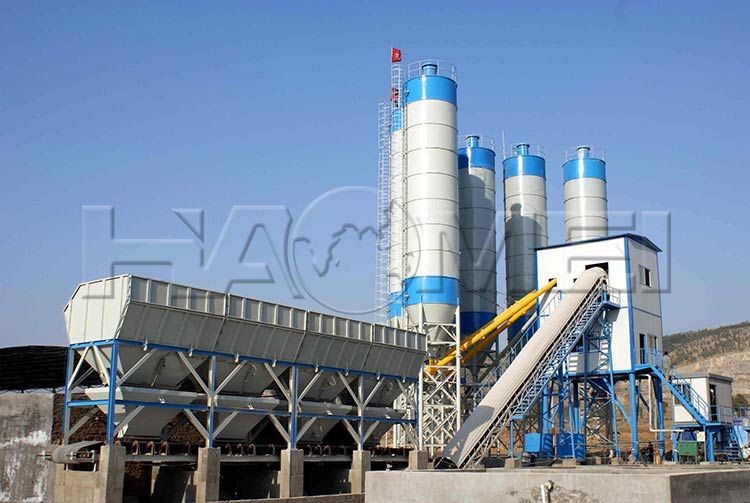
Wet premixed concrete plants use centralized mixing methods to accurately measure and fully mix raw materials. All ingredients (including cement, aggregates, water, and admixtures, etc.) are mixed in a central mixer according to a strict mix ratio to ensure the uniformity and stability of the concrete, thereby producing high-quality concrete products and effectively ensuring the quality of the construction project.

High production efficiency

This type of mixing station is equipped with advanced automation equipment, from the feeding and metering of raw materials to mixing and unloading, the entire production process can achieve efficient and continuous operation. In addition, the mixing host has a fast mixing speed and good mixing effect, which greatly shortens the production time of each batch of concrete and can meet the large demand for concrete in large-scale engineering construction.

Excellent environmental protection performance

In terms of environmental protection, wet concrete batching plants have taken a series of effective measures. The mixing host and material conveying system are usually closed, which reduces the flying of dust and reduces the pollution to the surrounding environment. At the same time, there are corresponding treatment equipment for wastewater and waste residue generated during the production process, which realizes the recycling of resources and the discharge of waste in compliance with the current development concept of green buildings.

Good adaptability

Wet premixed concrete plants can adapt to the use of a variety of raw materials. Whether it is ordinary sand and gravel aggregates or some special materials, they can be accurately mixed according to different mix ratio requirements to produce concrete that meets various engineering needs.

Suitable concrete types for production

Ordinary structural concrete

This is the most common type of concrete, which is widely used in the foundation, beams, slabs, columns and other structural parts of various buildings. With its precise metering and good mixing performance, the wet mix batching plant can stably produce ordinary structural concrete of different strength grades, such as C20, C25, C30, etc., which provides reliable guarantee for the stability of the building structure.

High-performance concrete

With the continuous development of construction technology, the requirements for concrete performance are getting higher and higher. The wet premixed concrete plant can produce high-performance concrete with high strength, high durability and high workability by reasonably selecting high-quality raw materials and accurately controlling the dosage of admixtures. This kind of concrete is suitable for some important projects with high requirements for structural performance and service life, such as large bridges and the bottom structure of high-rise buildings.

Special concrete

Waterproof concrete: Waterproof concrete is indispensable in some projects that require waterproof functions, such as basements, pools, tunnels, etc. Wet batching concrete plants can produce waterproof concrete with good anti-seepage performance by adjusting the mix ratio and adding appropriate amounts of waterproofing agents, effectively preventing leakage of groundwater or other water sources.

Massive concrete: For large-volume concrete projects such as large foundations and dams, concrete is required to have low hydration heat and good crack resistance. Wet concrete plants can produce products that meet the requirements of large-volume concrete construction by optimizing raw material selection and mix ratio design, such as using low-heat cement and increasing the amount of mineral admixtures, and reduce the risk of cracks in the concrete due to excessive hydration heat.

Colored concrete: In order to meet the decorative needs of the exterior of buildings, colored concrete is becoming more and more popular. Wet mix batching plants can add appropriate pigments during the mixing process, accurately control the amount of pigment added, and produce uniform and bright colored concrete for paving projects such as squares, sidewalks, and garden landscapes, adding to the beauty of the building environment.

Original source: https://www.concretebatchplanthm.com/a/rmc-wet-mix-batching-plant.html

2025 Haomei Machinery at PhilConstruct Exhibition #construction #exhibit...

Every year, Haomei Machinery will attend the main international construction exhibitions world wide like Philippines, UAE, Indonesia,etc. We...